
Honor's AI Platform Enables ALS Patient to Communicate via Eye‑Tracking
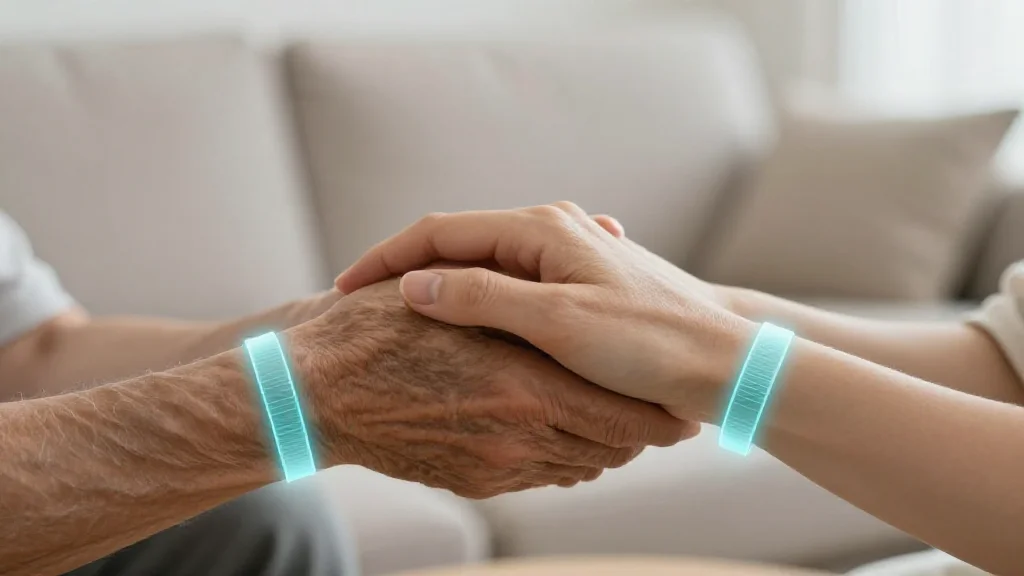
Honor Technology’s AI‑powered SaaS platform matched ALS patient Merrill Hale with caregiver Christina Evers and supports eye‑tracking communication, showcasing how AI can personalize home health services. The system, deployed across 1,200 locations in six countries, has lowered caregiver churn to 30% versus an 80% industry average.
Why It Matters
The Honor platform proves that SaaS delivery can bring advanced AI matching and assistive technology to the fragmented home‑care market, a sector historically plagued by high turnover and low personalization. By lowering caregiver churn and enabling real‑time, eye‑tracking communication for an ALS patient, the solution demonstrates a viable path to higher net retention and differentiated value for both providers and patients. For SaaS founders, the case highlights the power of data‑driven matchmaking, API‑first integrations, and subscription models in a regulated, high‑touch industry.
Moreover, the success of a single patient’s experience signals broader market potential for AI‑native assistive services. As the elderly population grows and demand for at‑home care rises, SaaS platforms that can seamlessly integrate hardware, analytics, and workforce optimization will likely command premium valuations and attract strategic investors seeking exposure to health‑tech verticals.
Key Points
- Honor’s AI platform matches caregivers using 1,200+ locations across six countries.
- Yearly caregiver churn at Home Instead is about 30%, versus 80% industry average.
- ALS patient Merrill Hale uses eye‑tracking to communicate via a SaaS‑integrated interface.
- Honor acquired Home Instead in 2021 and now delivers AI matching as a subscription service.
- CEO Seth Sternberg cites AI as orchestrating client complexity and reducing handling time.
Analysis
Honor’s approach illustrates a maturing SaaS playbook in health‑tech: centralize data, apply machine‑learning at scale, and monetize via recurring contracts. The company’s ability to cut churn from 80% to 30% is a quantitative moat that directly translates into higher gross margins and lower customer acquisition costs—key levers for SaaS profitability. This operational efficiency also creates a defensible network effect; as more caregivers and clients join the platform, the matching algorithm gains richer data, further improving outcomes.
From a market perspective, the integration of eye‑tracking hardware into a SaaS workflow signals a shift from siloed assistive devices toward platform‑centric ecosystems. This could accelerate consolidation, as larger SaaS providers acquire niche hardware firms to embed their sensors directly into the cloud stack. For investors, the Honor case underscores the upside of vertical SaaS models that address high‑touch, regulated domains where personalization is a competitive differentiator.
Looking ahead, the next frontier will be predictive care—using AI not only to match caregivers but to anticipate disease progression and proactively adjust service plans. Companies that can fuse real‑time biometric data with their SaaS analytics will likely capture the most valuable share of the home‑care market, turning what is today a compassionate service into a data‑driven growth engine.