
Ultra raises $62M for robots‑as‑a‑service platform, partners with Physical Intelligence
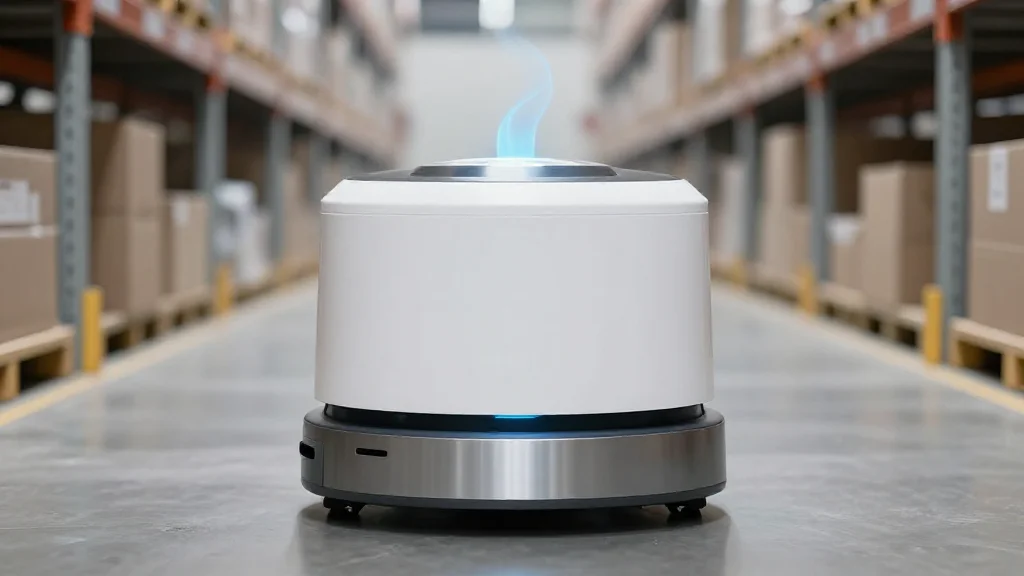
Ultra announced a $62 million financing round and a strategic partnership with AI research firm Physical Intelligence. The funding—$50 million Series A led by Framework Ventures and $12 million seed from Y Combinator and Next View—will accelerate its robots‑as‑a‑service offering that already processes over half a million warehouse orders.
Why It Matters
Ultra’s financing and AI partnership illustrate how the RaaS model is maturing into a true SaaS business. By bundling hardware with subscription‑based software support, Ultra creates a predictable revenue stream and lowers the barrier to entry for logistics firms, mirroring the product‑led growth playbooks of successful cloud companies. The collaboration with Physical Intelligence also highlights a broader industry trend: hardware startups are increasingly outsourcing AI development to specialized firms, allowing faster iteration and deeper expertise.
For investors and operators, Ultra’s trajectory signals that non‑humanoid automation can achieve scale without the hype surrounding humanoid robots. The ability to generate recurring revenue, raise prices, and secure high‑valued AI partners suggests a defensible moat built on data, integration expertise, and a subscription economics model that can sustain long‑term growth.
Key Points
- Ultra raised $62 million total: $50 million Series A led by Framework Ventures, $12 million seed from Y Combinator and Next View
- Partnership with AI research firm Physical Intelligence, valued at $5.6 billion
- Robots have processed >500,000 warehouse orders under the as‑a‑service model
- Pricing model combines upfront integration fee with monthly hardware‑software subscription, enabling price hikes
- Targets to double robot deployments in the next 12 months, expanding beyond 3PLs
Analysis
Ultra’s latest round underscores a pivotal shift in how robotics startups monetize their technology. By adopting a SaaS‑style subscription model, Ultra aligns its revenue profile with the recurring‑revenue expectations of modern investors, reducing the capital intensity that traditionally hampered hardware ventures. This approach also creates a virtuous data loop: each deployed robot feeds operational data back to Physical Intelligence, sharpening the AI models that, in turn, improve robot efficiency and justify higher subscription fees.
Historically, warehouse automation has been dominated by capital‑heavy purchases and long‑term service contracts. Ultra’s RaaS model flips that script, offering a low‑upfront cost that accelerates adoption among mid‑size 3PLs that lack the balance sheet to fund outright purchases. The partnership with Physical Intelligence further differentiates Ultra by providing a proprietary AI layer that competitors must either develop in‑house or license, raising the barrier to entry. As the AI component becomes a source of competitive advantage, Ultra can leverage its data moat to lock in customers through network effects—more robots generate more data, which fuels better AI, which attracts more customers.
Looking ahead, the market will likely see consolidation around firms that can combine robust hardware with best‑in‑class AI. Ultra’s ability to raise capital at a $5‑$6 billion valuation for its AI partner suggests that investors view the AI‑hardware symbiosis as a high‑growth engine. If Ultra can sustain its pricing power and expand into adjacent verticals such as manufacturing or last‑mile delivery, it could set a template for the next generation of SaaS‑enabled robotics companies.