
Chevron, Microsoft Seal $7B Power Deal for West Texas AI Data Center
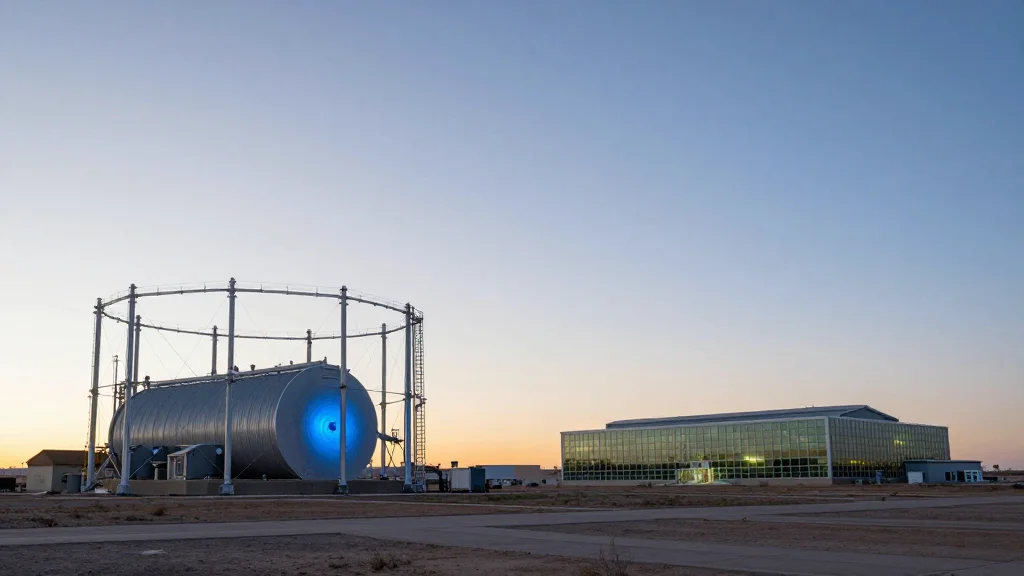
Chevron’s Energy Forge One unit and Microsoft have inked a 20‑year power‑purchase agreement to build a 2.67 GW natural‑gas plant in West Texas. The $7 billion first‑phase project, dubbed Project Kilby, will co‑locate with Microsoft’s new data‑center campus and deliver power by 2028, giving the hyperscaler a dedicated, grid‑independent energy source for AI workloads.
Why It Matters
The Chevron‑Microsoft power pact directly addresses the energy‑supply constraint that is throttling AI‑driven SaaS growth. By securing a dedicated, low‑cost baseload source, Microsoft can offer more predictable pricing to its enterprise customers, strengthening its competitive moat against rivals that rely on volatile grid power. For SaaS operators, the deal illustrates how power‑cost certainty can become a strategic lever for pricing, expansion, and margin management.
Chevron’s shift into long‑duration, fixed‑price power contracts signals a broader trend of energy majors diversifying into infrastructure that supports the digital economy. Investors will watch how the project’s cash‑flow profile compares to traditional upstream assets, potentially redefining valuation benchmarks for hybrid energy‑cloud partnerships.
Key Points
- Chevron’s Energy Forge One and Microsoft sign a 20‑year PPA for a 2.67 GW gas plant in West Texas
- Initial phase estimated at $7 billion; project to deliver first power by 2028
- Plant will co‑locate with Microsoft’s Project Kilby data‑center campus, bypassing the ERCOT grid
- Mid‑teen percent return target; expected to generate >$10 billion in Texas tax revenue
- Creates ~2,000 jobs and converts stranded Permian gas into baseload electricity
Analysis
The Chevron‑Microsoft agreement is a textbook case of vertical integration aimed at de‑risking the AI infrastructure supply chain. Historically, cloud providers have relied on wholesale power markets, exposing them to price volatility that can erode margins on high‑usage SaaS workloads. By locking in a dedicated, behind‑the‑meter source, Microsoft not only stabilizes its cost base but also gains a branding advantage—"green" or "low‑carbon" narratives can now be backed by a concrete, long‑term energy contract.
From a market dynamics perspective, the deal could accelerate a wave of similar arrangements as other hyperscalers confront the same grid constraints. Energy firms with access to stranded gas or renewable resources are uniquely positioned to monetize those assets through long‑duration PPAs, effectively turning a commodity‑price exposure into a predictable cash‑flow stream. This may reshape the capital‑allocation calculus for both sectors: cloud firms will allocate more capex to secure power assets, while oil majors will increasingly pitch themselves as infrastructure providers rather than pure extractors.
For SaaS operators, the ripple effect is twofold. First, predictable power costs enable more aggressive pricing models, especially for AI‑intensive products where compute cost is a major component of the unit economics. Second, the partnership highlights a new competitive moat—energy security—that could become a differentiator in enterprise procurement decisions. Companies that can demonstrate a secure, low‑cost power supply may win larger contracts, especially in regulated industries where cost certainty is paramount.
Looking ahead, the success of Project Kilby will hinge on execution risk—securing permits, managing construction timelines, and integrating the plant with Microsoft’s data‑center operations. If the project meets its 2028 target, it could set a benchmark for future power‑data‑center co‑location models, potentially extending to renewable‑heavy sites in the Southwest or offshore wind‑powered campuses. The broader implication is a re‑architected SaaS cost structure where energy, once a variable expense, becomes a strategic, fixed‑cost asset.