
AI SaaS firms roll out cute mascots to boost user trust and adoption
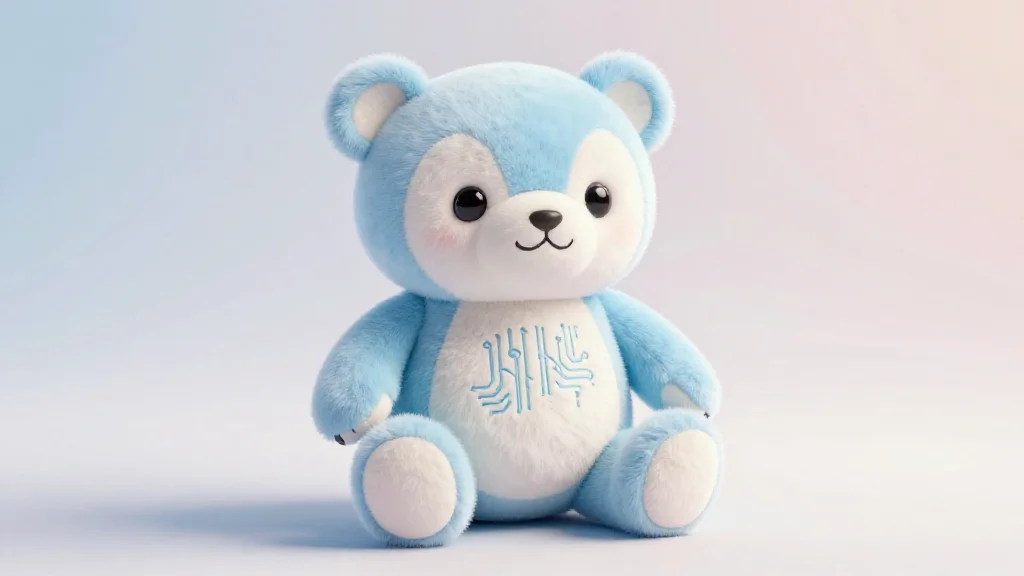
AI SaaS providers such as Meta's Muse AI, OpenAI, Genspark and Grok have introduced plush mascots like Jolly, a rotund avatar, to make their services feel more approachable. The trend taps into psychological research on cuteness and mirrors historic branding tactics, signaling a shift toward user‑centric, trust‑building GTM strategies.
Why It Matters
The mascot trend signals a shift in how AI SaaS companies approach customer acquisition and retention. By leveraging psychological triggers, firms can accelerate product‑led growth, improve activation metrics and reduce churn—key levers for expanding ARR. Moreover, the visual branding helps demystify AI, easing regulatory scrutiny and fostering cross‑functional buy‑in from finance and compliance stakeholders.
If mascots prove effective, they could reshape competitive moats, turning brand affinity into a defensible asset. Companies that embed trust‑building cues early may capture a larger share of the expanding AI‑driven SaaS market, especially as enterprises demand more intuitive, human‑centric interfaces.
Key Points
- Meta's Muse AI launches "Jolly," a plush mascot designed to accompany task execution.
- OpenAI, Genspark and Grok introduce their own cute avatars, creating a unified branding wave.
- Joshua Paul Dale, professor of "Cute Studies," links mascot appeal to brain pleasure centers.
- Legistify reports 350+ enterprise clients, highlighting the broader push for AI trust.
- Early anecdotal data suggests mascots boost activation and token spend in AI SaaS.
Analysis
The emergence of mascots in AI SaaS reflects a broader maturation of the sector. Early AI tools were marketed on raw capability; today, differentiation hinges on user experience and emotional connection. By borrowing from Japanese kawaii culture, companies are creating a soft entry point that mitigates the "AI doom" narrative and aligns with product‑led growth tactics that prioritize rapid user adoption.
Historically, branding has been a lever for vertical SaaS firms to lock in niche markets. The mascot approach extends that logic to a horizontal, AI‑native layer, where the product itself is the interface. If the visual cue can increase the conversion funnel by even a few percentage points, the impact on ARR—especially for subscription models with low price points—can be material. This is especially relevant as AI pricing models shift toward token‑based consumption, where incremental usage translates directly to revenue.
Looking forward, the key question is scalability. Mascots are easy to deploy, but their effectiveness may wane without continuous narrative development. Companies that integrate mascots into broader community programs, developer ecosystems and even AI‑generated content will likely sustain the engagement boost. Conversely, firms that treat mascots as a one‑off gimmick risk a short‑lived spike followed by a return to baseline churn rates. The next wave of data—A/B test results, NPS shifts, and expansion revenue linked to mascot interactions—will determine whether this trend becomes a lasting competitive advantage or a fleeting fad.