
Toast Launches Fuel SaaS Platform as Walmart Preps Tap‑to‑Pay at Gas Pumps
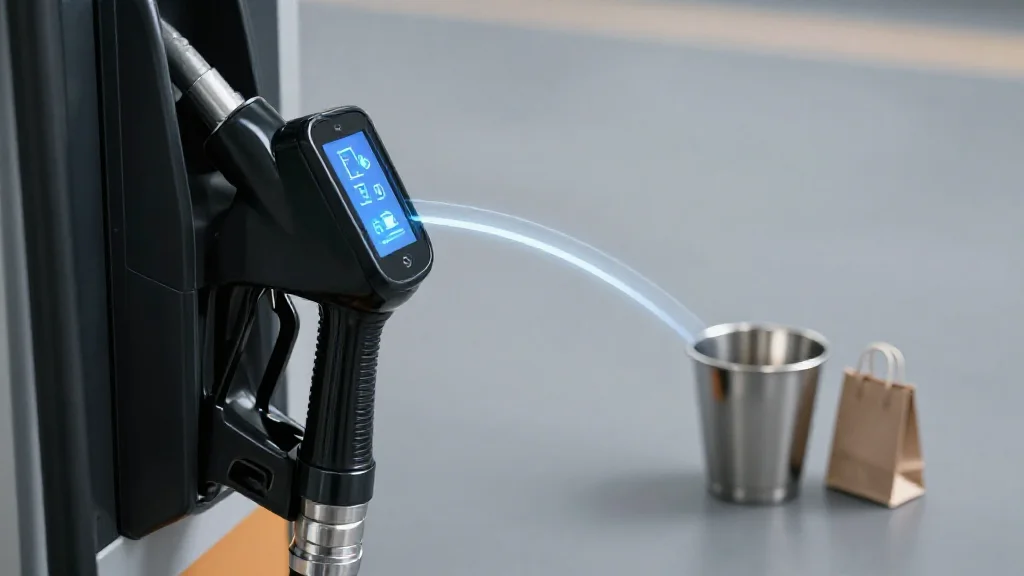
Toast unveiled Toast Fuel, a vertical SaaS solution that merges fuel payments, inventory, and food‑service tools for convenience stores. Walmart announced it will extend its tap‑to‑pay system to fuel stations by mid‑2027, underscoring a broader move toward embedded finance in multi‑line retail operations.
Why It Matters
The convergence of fuel, food and retail operations under a single SaaS platform illustrates how embedded finance is reshaping go‑to‑market tactics for enterprise software. By using payments as a universal entry point, providers can unlock cross‑sell opportunities and generate higher net‑retention rates, a critical metric for SaaS valuation. Moreover, the experiment tests whether vertical specialization can coexist with the breadth required to serve multi‑line businesses, a question that will influence product roadmaps across the industry.
For investors, the rollout highlights a potential new category of “multi‑business vertical SaaS” that could command premium multiples if it delivers strong expansion revenue and defensible data assets. Companies that succeed may set a template for other fragmented retail sectors, accelerating the broader adoption of embedded finance and expanding the addressable market for SaaS platforms beyond single‑line verticals.
Key Points
- Toast launched Toast Fuel in September, integrating fuel payments, pump controls, food ordering and inventory into one SaaS stack.
- Walmart will extend tap‑to‑pay to its U.S. fuel stations by mid‑2027, adding contactless checkout to the pump.
- Embedded‑finance upgrades are expected by 80% of middle‑market firms within the next 12 months, according to PYMNTS Intelligence.
- Vertical SaaS providers can leverage payments as a universal hook to drive cross‑sell and expansion revenue.
- Success will depend on integration simplicity, reliability of pump APIs and demonstrable ROI for convenience‑store operators.
Analysis
The launch of Toast Fuel marks a strategic pivot from single‑line vertical SaaS to a broader, multi‑line approach that could redefine how SaaS companies think about market segmentation. Historically, vertical SaaS thrived by deep‑diving into a single industry’s workflow, delivering best‑in‑class functionality that generic platforms could not match. By stitching together fuel, retail and food‑service workflows, Toast is betting that the network effects of shared data and payments will outweigh the risk of a diluted product focus. If the platform can prove that it reduces operational friction and lifts same‑store sales, it will create a defensible moat built on proprietary transaction data—a valuable asset for future AI‑driven insights and financing products.
From a competitive standpoint, Walmart’s move to bring tap‑to‑pay to pumps underscores how large retailers can become de‑facto platform providers, leveraging their existing payment infrastructure to lock in merchants. This could pressure pure SaaS vendors to either partner with such retailers or develop their own embedded finance capabilities. The resulting ecosystem may see a convergence of POS, payment processing and back‑office SaaS, blurring the lines between software and financial services.
Looking ahead, the experiment will serve as a bellwether for other fragmented retail sectors. If convenience stores can achieve higher gross margins and improved net‑retention through a unified SaaS stack, we may see a cascade of similar offerings targeting travel centers, airport concessions and even mixed‑use developments. For founders, the lesson is clear: building a platform that can serve multiple, interrelated business lines while retaining deep vertical expertise could unlock a new growth frontier in the SaaS market.