
Tesla Nears 1.5 Million FSD Subscribers, 55% of New Cars Opt In
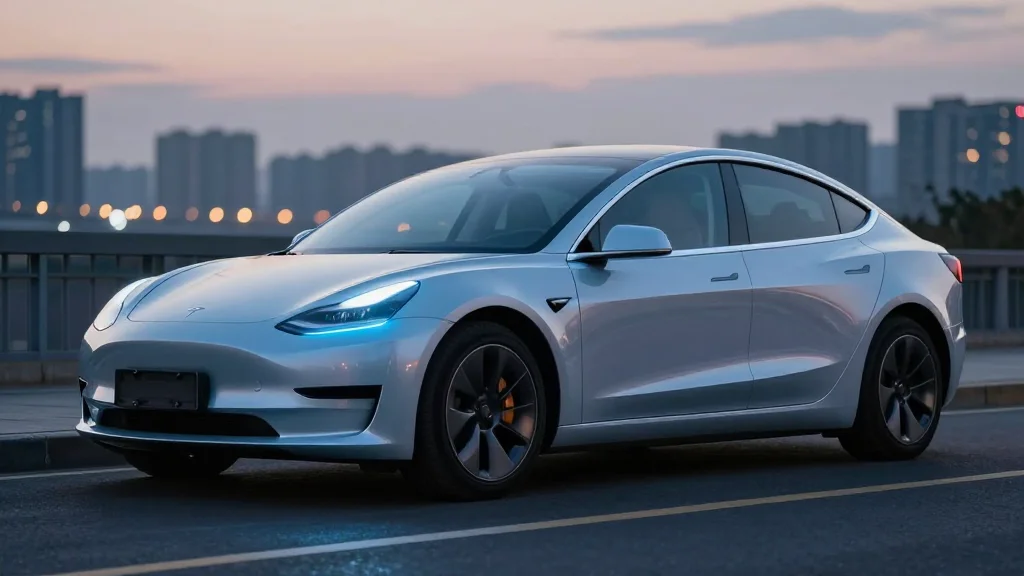
Tesla announced that its Full Self‑Driving (FSD) software now has almost 1.5 million active subscribers, with 55% of Q2 deliveries opting in. The shift to a $99 monthly subscription has turned the feature into a $65 million‑per‑month recurring revenue stream and signals a broader move toward consumer‑facing SaaS models in automotive.
Why It Matters
Tesla’s transition of Full Self‑Driving from a high‑ticket purchase to a recurring subscription demonstrates that SaaS economics are no longer confined to enterprise software. The 55% attach rate and $65 million in monthly recurring revenue provide a benchmark for other consumer‑facing brands seeking to monetize features through subscription models. Moreover, the rapid geographic expansion highlights the importance of regulatory alignment and localized rollout strategies for scaling SaaS products globally.
For investors and operators, the case raises questions about margin sustainability, churn risk, and the long‑term viability of tying executive compensation to subscription milestones. As automotive OEMs increasingly view software as a profit center, the competitive dynamics around data, over‑the‑air updates, and AI‑driven features will likely reshape the broader SaaS landscape, blurring the line between traditional enterprise and consumer subscription businesses.
Key Points
- Tesla reports ~1.5 M active FSD subscribers, a 56% YoY increase.
- 55% of Q2 deliveries in North America opted for FSD at purchase.
- 45% of FSD users now pay a $99 monthly subscription, generating $65 M MRR.
- FSD is available in 12 countries after a European rollout starting in April.
- CEO Elon Musk’s compensation is tied to reaching 10 M active FSD subscribers.
Analysis
Tesla’s FSD rollout is a textbook example of product‑led growth applied to a mass‑market hardware product. By removing the $15,000 upfront price tag and shifting to a $99 monthly fee, Tesla lowered the barrier to entry, accelerated adoption, and unlocked a high‑margin recurring revenue stream. This mirrors the tactics of enterprise SaaS firms that use freemium or low‑cost entry points to drive attachment and then monetize through subscription upgrades. The 55% attach rate on new deliveries is especially noteworthy; it rivals the best‑in‑class expansion rates seen in B2B SaaS, suggesting that consumers are willing to pay a premium for continuous software improvements and autonomous capabilities.
The move also forces a re‑evaluation of how OEMs think about product differentiation. Historically, vehicle pricing was driven by hardware specs and brand perception. Tesla’s model shows that software can become the primary differentiator, with over‑the‑air updates delivering new functionality long after the car leaves the showroom. This creates a virtuous cycle: higher software attach rates boost recurring revenue, which funds further R&D, leading to more compelling features that attract additional subscribers. Competitors that lag in software strategy risk being locked out of this high‑margin revenue pool.
However, the path is not without friction. Regulatory scrutiny over the safety of supervised autonomous systems could constrain future growth, and the reliance on a subscription model introduces churn risk that Tesla has not yet quantified publicly. Moreover, tying Musk’s compensation to a 10 M subscriber milestone may incentivize aggressive pricing or feature pushes that could affect product quality. For SaaS investors, the Tesla case underscores the importance of balancing rapid subscription growth with sustainable unit economics and regulatory compliance—a lesson that will resonate across both consumer and enterprise software markets.