
Nayax Targets $85B Unattended Retail Market with 2026 Platform Expansion
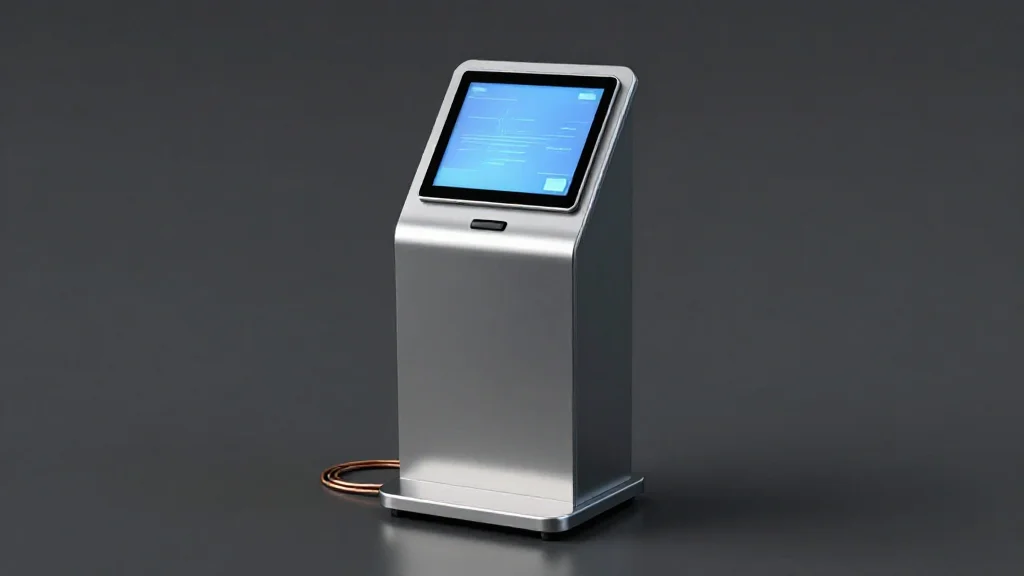
Nayax announced a 2026 roadmap that expands its integrated hardware‑software platform across unattended‑retail verticals, aiming at an $85 billion addressable market. The Israeli‑American firm highlighted FY 2025 revenue of $400.4 million, 28% growth and 120% net revenue retention as the foundation for the next phase of growth.
Why It Matters
Nayax’s expansion underscores how vertical SaaS businesses can leverage a combined hardware‑software model to capture high‑margin recurring revenue in traditionally cash‑heavy markets. The company’s ability to cross‑sell services and maintain 120% net revenue retention demonstrates the power of a unified platform in driving expansion revenue without proportional sales spend.
If successful, Nayax could set a benchmark for other niche SaaS providers seeking to embed financial services into physical‑world operations. The move also pressures larger fintech firms to develop comparable end‑to‑end solutions, potentially accelerating consolidation in the unattended‑retail space.
Key Points
- FY 2025 revenue reached $400.4 million, up 28% YoY
- Net revenue retention stood at 120% in FY 2025
- Net income of $35.5 million marked the first profitable year
- Targeting an $85 billion unattended‑retail market through platform expansion
- Trailing P/E ratio of 199.58 reflects high growth expectations
Analysis
Nayax’s strategy reflects a broader shift toward vertical SaaS platforms that bundle hardware, payments, and cloud services. By owning the transaction layer, the company captures valuable data that fuels cross‑selling and upsell opportunities, a model that has proven effective for larger players like Square and Stripe in the merchant space. The 120% net revenue retention indicates that customers are not only staying but also expanding their spend, a key metric for investors assessing the durability of recurring revenue streams.
The valuation premium—nearly 200 times trailing earnings—signals that the market is pricing in aggressive expansion into a fragmented $85 billion addressable market. While the upside is substantial, the risk profile is equally pronounced. Integration of Lynkwell and IPS Group adds complexity, and the pursuit of a U.S. bank charter introduces regulatory hurdles that could delay product rollouts. Moreover, larger fintech incumbents with deeper balance sheets are beginning to target unattended retail, raising the competitive stakes.
For operators, Nayax’s platform promises a single‑pane‑of‑glass solution that reduces operational friction and opens new revenue streams through embedded finance. If the company can deliver on its roadmap, it will not only validate the vertical SaaS playbook but also create a template for other niche markets—such as self‑service laundry or automated parking—where cash remains dominant. The next 12 months will be a litmus test for whether the integrated approach can sustain profitability while scaling in a capital‑intensive environment.