
Microsoft projects $170B 2026 capex as AI compute delays pressure spend
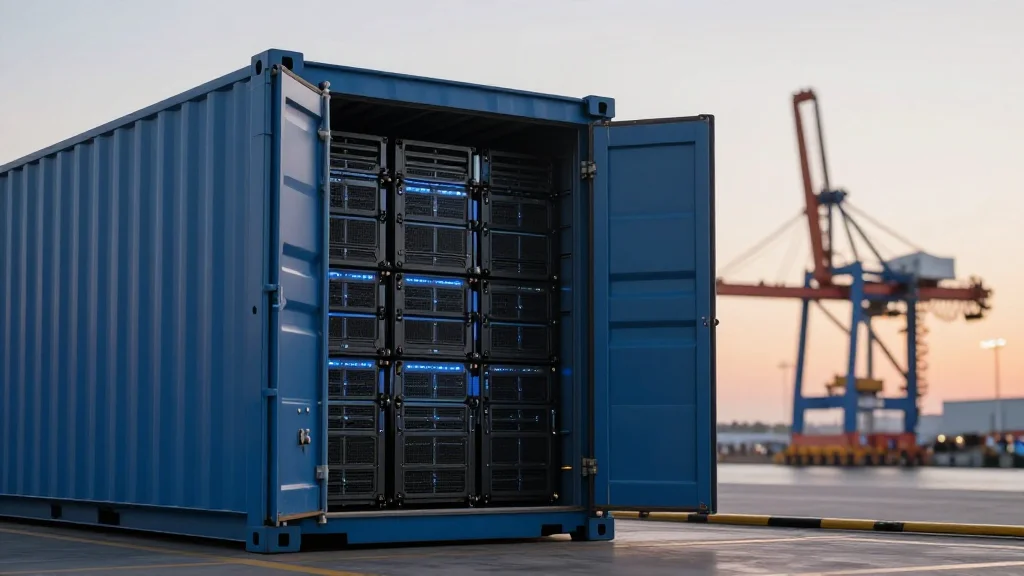
Microsoft said its calendar‑year 2026 capital‑expenditure outlook is about $170 billion, with most of the spend slated for short‑lived AI compute assets. CFO Amy Hood warned that delayed third‑party GPU and CPU deliveries are pushing back some of that spend, underscoring supply‑chain strain in the AI‑driven cloud. The guidance comes as enterprise SaaS firms report soaring AI consumption, highlighting a broader tension between demand and hardware capacity.
Why It Matters
The capex outlook is a bellwether for the health of the AI‑driven cloud market, where compute capacity is the critical enabler of SaaS growth. Delays in GPU and CPU deliveries not only affect Microsoft’s ability to scale AI services but also signal potential bottlenecks for the entire enterprise software ecosystem, which increasingly relies on AI‑native features to drive expansion revenue. For operators, the situation forces a reassessment of GTM strategies—balancing consumption‑based pricing with the risk of under‑delivered compute—and may accelerate investments in proprietary silicon or hybrid on‑premise solutions.
For investors, the $170 billion figure underscores the massive scale of capital required to sustain AI leadership. The timing of spend, rather than the absolute amount, will be a key metric for evaluating execution risk. Companies that can secure reliable compute pipelines will likely enjoy stronger net‑retention and higher gross margins, while those caught in supply constraints could see slower ARR growth and pressure on valuation multiples.
Key Points
- Microsoft forecasts $170 billion in 2026 capex, 75% for short‑lived AI compute assets.
- CFO Amy Hood flagged third‑party GPU/CPU delivery delays that push back spend timing.
- Azure revenue grew 48% YoY, driven by AI workloads, but hardware bottlenecks loom.
- ServiceNow raised its AI ACV target to $1.7 billion, reflecting soaring AI consumption across SaaS.
- Supply‑chain constraints could force Microsoft to adjust pricing, accelerate silicon development, or shift GTM mix.
Analysis
Microsoft’s capex guidance reveals a classic paradox of the AI era: explosive demand for intelligent SaaS services collides with a finite supply of the compute that powers them. Historically, cloud providers have been able to absorb hardware shortages by leveraging economies of scale and long‑term supplier contracts. However, the rapid escalation of AI workloads—evidenced by Azure’s 48% revenue jump and ServiceNow’s 13‑fold AI consumption increase—has compressed lead times for GPUs and CPUs, turning a logistical issue into a strategic inflection point.
In the short term, Microsoft is likely to double‑down on its partnership ecosystem, securing priority allocations from third‑party vendors and possibly expanding its own custom silicon roadmap (e.g., the Maia 200 performance gains). Operators should anticipate tighter capacity planning windows and may need to adopt more granular consumption‑based pricing to smooth revenue recognition as hardware arrives in batches. Longer‑term, the pressure could catalyze a shift toward AI‑native SaaS models that are less compute‑intensive, such as low‑latency edge inference or hybrid on‑premise deployments, thereby creating new vertical moats for firms that can bundle software with proprietary hardware.
From an investment perspective, the $170 billion spend is a double‑edged sword. On one hand, it signals confidence in sustained AI growth and justifies high‑multiple valuations for cloud‑centric SaaS firms. On the other, the timing risk introduces volatility into cash‑flow forecasts, especially for companies that rely heavily on consumption‑based revenue. Analysts will likely adjust revenue‑per‑user and net‑retention assumptions, watching closely for any revisions to Microsoft’s capex guidance in the next earnings cycle. The firms that navigate the compute crunch most effectively—by securing supply, optimizing workloads, or innovating around hardware constraints—will emerge with stronger competitive moats and higher expansion revenue potential.