
MapQuest Adds Surveillance Layer to Navigation SaaS, Showing License‑Plate Readers
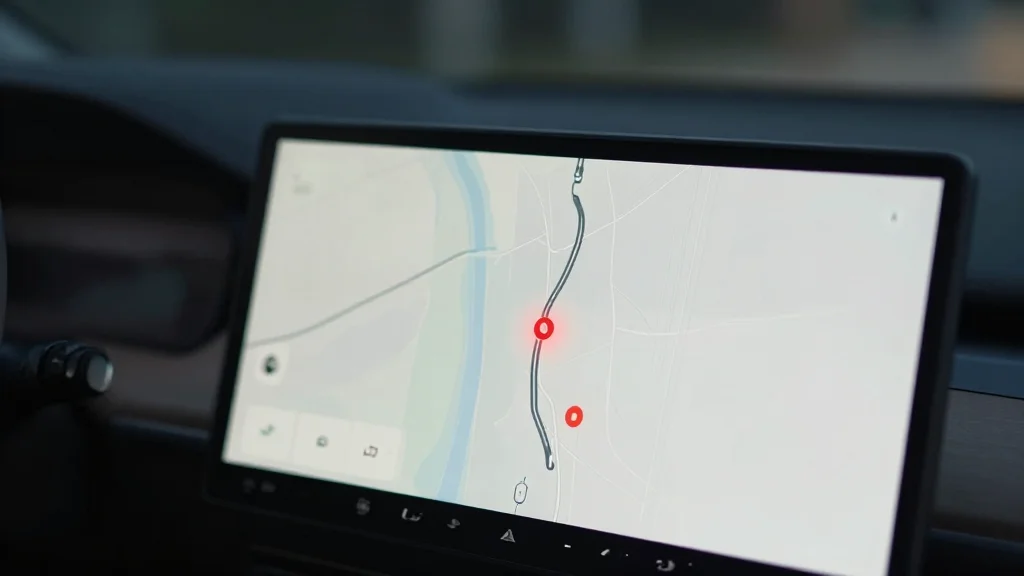
MapQuest unveiled a new "surveillance layer" in its mobile navigation app that plots known automated license‑plate reader (ALPR) cameras along a user’s route. The feature, announced Thursday, pulls data from vendors such as Flock Safety, Axon and Motorola Solutions, positioning the free mapping SaaS as a privacy‑aware alternative to mainstream competitors.
Why It Matters
The surveillance layer illustrates a new frontier for SaaS products: embedding public‑safety data to create differentiated user experiences. For navigation and location‑based services, real‑time visibility into surveillance infrastructure can become a competitive moat, especially as privacy regulations tighten. The feature also signals that SaaS companies can monetize data‑integration beyond traditional subscription models, opening pathways for revenue from data partners and premium functionality.
For investors, MapQuest’s pivot highlights how legacy SaaS platforms can revive growth by aligning product development with emerging societal concerns. The ability to quickly launch a privacy‑focused feature without a price tag demonstrates product‑led agility, a trait increasingly valued in the crowded B2B and consumer SaaS markets.
Key Points
- MapQuest launched a "surveillance layer" on its mobile app Thursday, showing ALPR cameras along routes.
- The overlay pulls data from vendors such as Flock Safety, Axon Enterprise, Motorola Solutions, PlateSmart and others.
- Feature is free to activate; no pricing or subscription details were disclosed.
- Tempe Mayor Corey Woods highlighted both police utility and privacy risks of ALPRs in a public statement.
- Flock Safety emphasized its cameras focus on vehicle details, not facial recognition.
Analysis
MapQuest’s decision to surface ALPR locations is a calculated bet on privacy as a product differentiator. In a market where navigation apps compete primarily on speed, accuracy and ecosystem integration, adding a data layer that addresses a growing public concern could drive higher engagement among privacy‑sensitive users. The move mirrors a broader SaaS trend where companies embed external data—weather, financial, or now surveillance—to deepen stickiness and justify premium tiers. Historically, platforms that successfully integrate third‑party data (e.g., Salesforce’s AppExchange) have built defensible ecosystems that are harder for competitors to replicate.
However, the strategy carries regulatory risk. As states tighten ALPR data‑retention rules, MapQuest may need to adjust its data feeds or face liability for exposing potentially sensitive location information. The company’s ability to maintain up‑to‑date, accurate camera inventories will also hinge on continued cooperation from hardware vendors, who may be wary of public scrutiny. If MapQuest can navigate these challenges, the surveillance layer could become a template for other SaaS verticals—logistics, real‑estate, or fleet management—to embed public‑infrastructure data and create new revenue streams.
From an investor lens, the rollout underscores the importance of product‑led growth in legacy SaaS firms. By leveraging a timely societal issue, MapQuest can generate buzz without a major marketing spend, potentially boosting DAU and opening doors for monetization. The key question remains whether the feature will translate into measurable expansion revenue or simply serve as a goodwill gesture that improves brand perception. The answer will likely shape how other mature SaaS players approach data‑centric product innovation in the next wave of privacy‑driven consumer expectations.