
IT Infrastructure Shortages Hit SaaS Scaling; Cloud and Alternate GPU Paths Urged
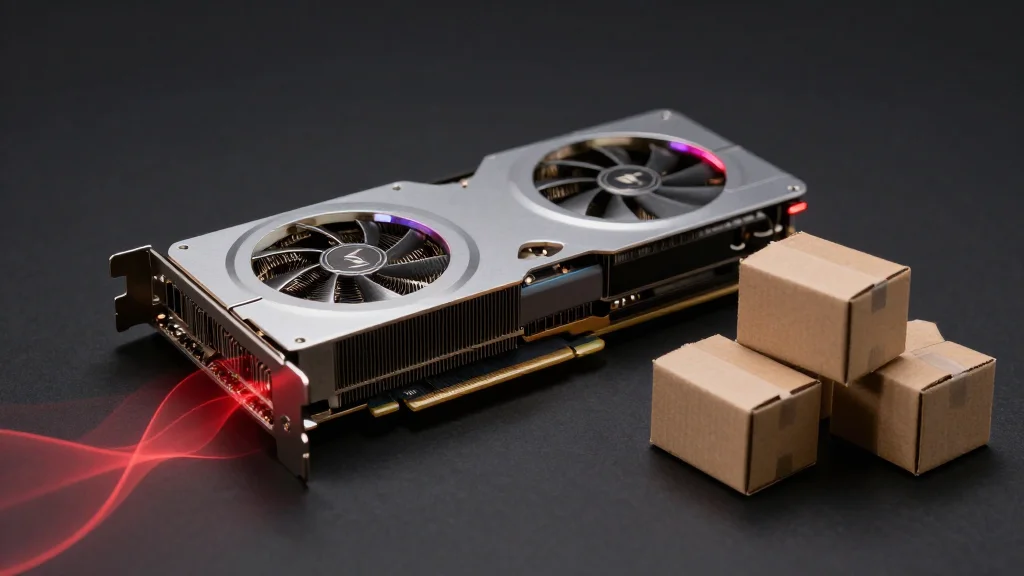
Supply-chain constraints in memory, GPUs and other semiconductor components are limiting SaaS providers' ability to scale. Executives at Avnet, Diodes and TAT Technologies warn of multi‑month lead times, while industry analysts recommend moving workloads to public cloud and exploring non‑Nvidia GPU vendors to preserve growth momentum.
Why It Matters
For SaaS operators, hardware shortages translate directly into slower customer onboarding, delayed feature releases, and compressed margins. By moving workloads to the cloud and diversifying GPU sources, companies can maintain the velocity required for product‑led growth and protect expansion revenue from supply‑chain volatility. The shift also reduces capex exposure, allowing SaaS firms to reinvest in sales and marketing rather than inventory.
Moreover, the broader market signal is clear: semiconductor constraints are not a short‑term blip but a structural shift driven by heightened AI demand and limited fab capacity. SaaS businesses that embed cloud‑first and multi‑GPU strategies into their product roadmaps will build a more resilient competitive moat, while those clinging to legacy on‑premise models risk losing market share to more agile rivals.
Key Points
- Avnet CFO Ken Jacobson flagged memory shortages as a key constraint on component availability.
- Diodes SVP Emily Yang confirmed ongoing supply disruptions affecting multiple product lines.
- TAT Technologies CEO Igal Zamir reported lead times exceeding 12 months for critical raw materials.
- Cloud migration can bypass memory and GPU bottlenecks, preserving SaaS growth velocity.
- Alternative GPU vendors (AMD, ASICs) are gaining traction as SaaS firms hedge against Nvidia supply risk.
Analysis
The current hardware scarcity is reshaping the SaaS landscape in a way reminiscent of the 2017 chip shortage that forced many cloud providers to double‑down on capacity planning. However, the present episode is deeper: it hits not only DRAM but also high‑end GPUs that power generative AI workloads—a core differentiator for many SaaS products today. Companies that have historically built a sales‑led, on‑premise expansion engine now face a strategic inflection point. The cost of waiting for hardware can erode net retention rates as customers defer upgrades, while competitors that have already embraced a cloud‑first architecture can capture that deferred demand.
Historically, SaaS firms have used hardware as a moat—proprietary appliances, specialized GPUs, or custom ASICs—to lock in customers. The current supply constraints invert that logic: the moat becomes a liability. By leveraging hyperscale cloud providers, SaaS firms gain access to virtually limitless GPU pools that are already amortized across multiple tenants, reducing per‑unit cost and smoothing out supply shocks. Additionally, the rise of alternative GPU ecosystems—AMD's Instinct, Intel's Xe, and emerging AI ASICs—offers a diversification play that can mitigate the risk of a single‑vendor bottleneck. Early adopters of these alternatives are already reporting comparable performance for inference workloads, suggesting that the performance gap is narrowing.
Looking ahead, the market will likely see a bifurcation: a segment of SaaS companies that double down on cloud and multi‑GPU strategies, achieving higher net retention and lower capex, and a lagging segment that continues to chase on‑premise differentiation but faces escalating costs and longer sales cycles. Investors will start rewarding the former with higher multiples, as the risk premium on hardware‑dependent SaaS contracts widens. In short, the infrastructure shortage is not just a supply‑chain story—it is a catalyst for a strategic realignment of the SaaS operating model.