
Hudini Rolls Out Digital Check‑In SaaS Across Entire Nobu Hotels Portfolio
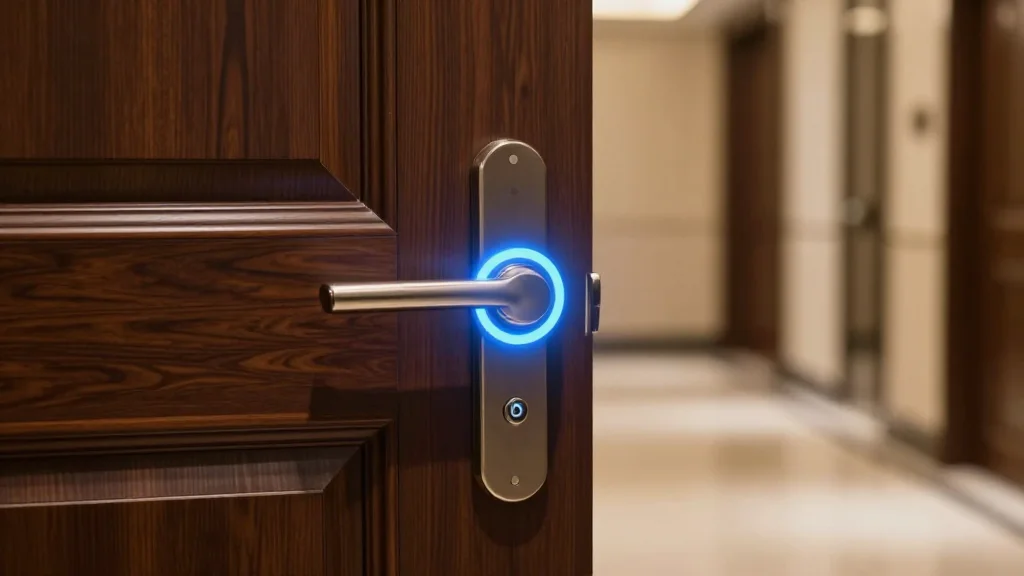
Hudini announced that its digital check‑in SaaS solution will be rolled out across the full Nobu Hotels portfolio. The expansion gives the luxury hotel chain a unified, contactless guest‑arrival experience and underscores the growing appetite for vertical SaaS in hospitality.
Why It Matters
The Hudini‑Nobu partnership demonstrates that vertical SaaS can achieve rapid, brand‑level adoption when it solves a clear operational pain point—in this case, frictionless guest check‑in. For SaaS founders, the deal validates a GTM play that prioritizes deep integration with a marquee client over broad, shallow market coverage. It also signals to investors that hospitality operators are allocating budget to cloud‑native solutions that enhance both efficiency and guest experience, a trend likely to accelerate as contactless expectations become the norm.
From a competitive standpoint, Hudini’s move puts pressure on larger, general‑purpose property‑management vendors to either acquire niche players or accelerate their own product‑led growth initiatives. The deal may also catalyze a wave of similar vertical SaaS contracts across other luxury segments—such as high‑end dining, private aviation, and boutique wellness—where brand reputation amplifies the impact of a seamless digital experience.
Key Points
- Hudini announced a full rollout of its digital check‑in SaaS across the Nobu Hotels portfolio.
- The solution integrates with existing property‑management systems to enable mobile, contactless guest registration.
- Nobu Hotels will standardize the guest‑arrival workflow across all its locations, aiming to cut front‑desk handling time.
- The partnership underscores the growing demand for vertical SaaS solutions in the luxury hospitality sector.
- Hudini plans future AI‑driven personalization integrations to deepen its hospitality tech stack.
Analysis
Hudini’s expansion into Nobu Hotels is a textbook case of a vertical SaaS firm leveraging a marquee client to unlock network effects. In hospitality, the sales cycle is notoriously long, with multiple stakeholder approvals and compliance checks. By securing a deal that spans an entire brand, Hudini sidesteps the piecemeal approach of selling to individual properties, instead creating a de‑facto standard that can be referenced in future negotiations. This mirrors the trajectory of other vertical SaaS successes—think Veeva in life sciences or Procore in construction—where a single, high‑visibility client becomes a springboard for broader market adoption.
From an investor lens, the deal is a signal that capital is flowing into niche cloud platforms that can demonstrate tangible operational impact. While Hudini did not disclose ARR or valuation, the partnership likely carries a multi‑year contract with a sizable annual recurring revenue component, given Nobu’s global footprint. The real upside will be measured in ancillary revenue streams: upselling in‑room services, loyalty program integration, and data‑driven personalization. If Hudini can prove a lift in NPS or ancillary spend, it will have a compelling case to raise growth capital at premium multiples.
Looking ahead, the hospitality tech market is poised for consolidation. Larger PMS vendors may either acquire specialized players like Hudini or double‑down on product‑led growth to retain market share. For operators, the key takeaway is that a best‑in‑class, vertically‑focused SaaS stack can become a competitive moat—delivering both efficiency and a differentiated guest experience that is increasingly hard to replicate with off‑the‑shelf solutions. Hudini’s Nobu rollout could therefore be the catalyst that accelerates vertical SaaS adoption across other premium service industries.