
Genye Technology Launches LA‑Area Demo Center to Accelerate SaaS‑Driven Logistics Automation
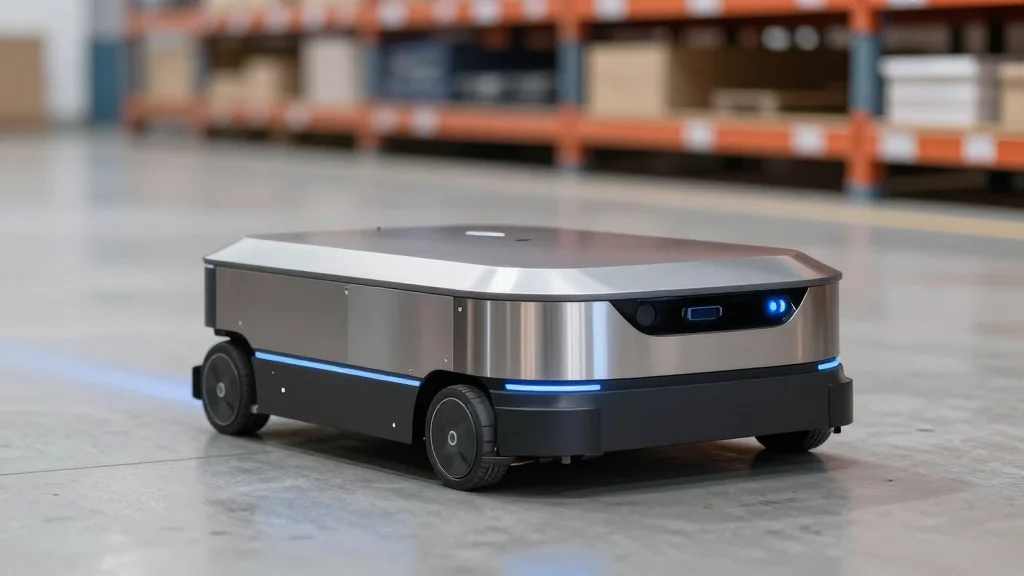
Genye Technology inaugurated a new Los Angeles‑area branch and technology demonstration center in Fontana, California, on August 18, 2026. The facility showcases three core logistics automation systems and provides local testing, engineering support, and processing capabilities for western‑US customers, underscoring Genye’s push to embed its SaaS‑based solutions in the North American market.
Why It Matters
Genye’s LA‑area demonstration center bridges the gap between cloud‑based logistics software and the physical hardware that executes it, a critical step for vertical SaaS firms that must prove tangible ROI to capital‑intensive buyers. By localizing testing and support, Genye reduces sales cycle length, improves customer confidence, and creates a feedback loop that can accelerate product innovation on its SaaS platform. The move also highlights the growing importance of regional hubs for SaaS companies seeking to embed themselves in logistics ecosystems that are traditionally hardware‑first.
For investors, the center signals Genye’s commitment to scaling its North‑American footprint, a market that represents a sizable share of global parcel volume. Successful execution could translate into higher expansion revenue, stronger net‑retention, and a defensible moat built on integrated hardware‑software offerings, positioning Genye as a potential challenger to incumbents in the logistics automation space.
Key Points
- Genye opened a new LA‑area branch and demo center in Fontana, CA on Aug 18, 2026
- Facility showcases Mini Loop Cross‑Belt Sorter, 3D Sorter, and Singulator with narrow‑belt sorter
- Target customers: logistics, e‑commerce, and parcel distribution firms in the western U.S.
- Strategic aim: provide localized testing, engineering support, and faster deployment for SaaS‑enabled automation
- No financial metrics disclosed; focus is on expanding North‑American presence
Analysis
Genye’s decision to anchor a physical demo center in the Inland Empire reflects a maturation point for vertical SaaS players that rely on hardware integration. Historically, SaaS growth has been driven by pure‑software models that scale without geographic constraints. However, in logistics automation, the hardware component remains a decisive factor for enterprise adoption. By situating a live‑operation lab near major freight corridors, Genye reduces the friction of remote evaluation, a pain point that has slowed conversion rates for many hardware‑centric SaaS firms.
The move also dovetails with the broader industry shift toward AI‑native automation. As Genye gathers real‑world performance data from its demo systems, it can refine machine‑learning models that predict bottlenecks, optimize routing, and pre‑empt equipment failures. This data‑in‑the‑loop approach creates a virtuous cycle: better AI insights improve hardware utilization, which in turn makes the SaaS platform more valuable to customers, driving higher expansion revenue and stickier contracts.
From an investor perspective, the demonstration center could serve as a catalyst for a new wave of financing tied to U.S. market traction. If Genye can translate on‑site interest into multi‑year SaaS contracts, it will demonstrate a scalable revenue engine that justifies higher multiples on ARR. Competitors that lack a comparable local presence may find themselves at a disadvantage, especially as western U.S. logistics firms increasingly demand rapid, hands‑on validation before committing to multi‑million‑dollar automation projects. Genye’s strategy thus positions it to capture a larger share of the $150 billion North‑American logistics automation spend, provided it can sustain the operational excellence required to service a geographically dispersed client base.