
Fuse Oncology to Demo S!GNAL Workflow Integration with GE HealthCare at ASTRO 2026
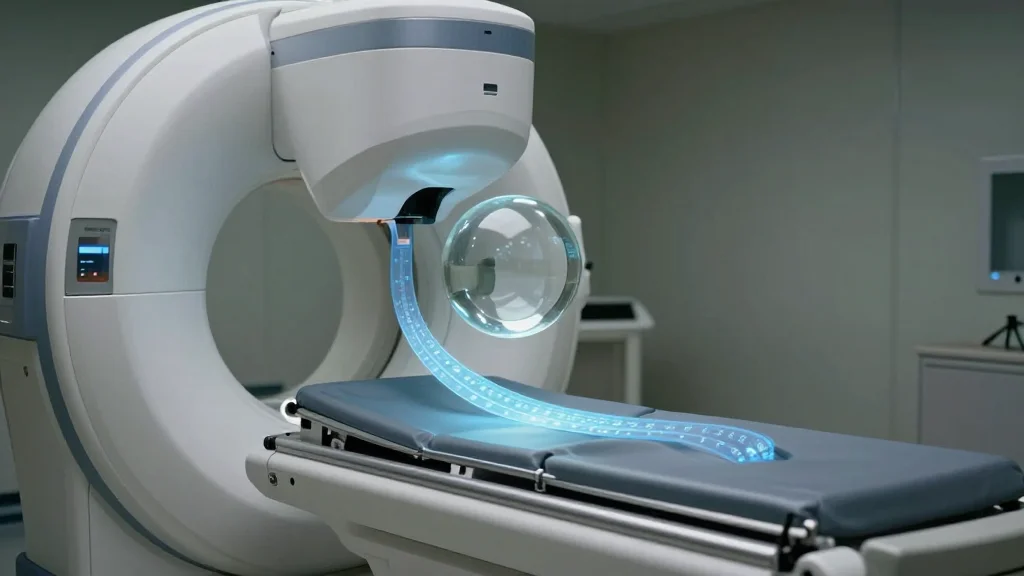
Fuse Oncology announced it will showcase a prototype workflow that launches its S!GNAL charge capture solution directly from GE HealthCare's Intelligent Radiation Therapy (iRT) platform at the ASTRO 2026 Annual Meeting. The demo underscores a vertical SaaS push in oncology, aiming to cut billing lag and manual handoffs across radiology, treatment planning, and billing systems.
Why It Matters
The Fuse‑GE HealthCare integration showcases how vertical SaaS can unlock value by embedding financial intelligence directly into clinical workflows, a model that could reshape revenue cycle management in complex, multi‑system environments like radiation oncology. By reducing charge lag from weeks to days, providers can improve cash flow, lower administrative overhead, and enhance compliance—critical factors for both independent clinics and large health systems.
If successful, the approach may accelerate a wave of SaaS partnerships that prioritize AI‑driven, real‑time data exchange over traditional batch‑processing audits. This could pressure legacy billing vendors to open APIs and accelerate the adoption of modular, best‑of‑breed solutions across the healthcare stack.
Key Points
- Fuse Oncology will demo S!GNAL integration with GE HealthCare iRT at ASTRO 2026 (Sept. 27‑29, Boston).
- S!GNAL identified $1.09 M in missed charges across 15 sites, flagging issues within 24 hours.
- Charge‑lag reduced by more than 30 days in the pilot network.
- CEO James Bauler highlighted the need to embed detection in existing clinical workflows.
- Integration aims to create a seamless, AI‑native revenue‑cycle layer for radiation oncology.
Analysis
Fuse Oncology’s prototype is more than a product showcase; it’s a proof point that vertical SaaS can achieve true workflow unification in a domain historically plagued by fragmented systems. The radiation oncology stack—EMR, OIS, treatment planning, and billing—has long operated in silos, forcing staff to reconcile data manually. By inserting S!GNAL’s charge‑capture logic into GE’s iRT, Fuse eliminates the need for a separate audit layer, turning a reactive, retrospective process into a proactive, near‑real‑time function. This shift mirrors the broader SaaS evolution from "bolt‑on" analytics to "AI‑native" capabilities that reside where the work happens.
From an operator’s perspective, the financial upside is clear: faster charge recognition improves net‑revenue retention and reduces days sales outstanding, directly impacting the bottom line. Moreover, the model scales efficiently—once the rule set is defined, the same engine can be deployed across disparate sites with minimal customization, a hallmark of product‑led growth. The partnership also validates GE HealthCare’s strategy to open its platform to third‑party innovators, potentially catalyzing a marketplace for niche SaaS solutions that address specific clinical‑financial pain points.
Looking ahead, the key risk lies in execution. The demo is still a prototype, and commercial rollout will demand rigorous integration testing, data governance, and compliance with HIPAA and other regulations. If Fuse can navigate these hurdles, it may set a new benchmark for vertical SaaS in healthcare, prompting larger EHR and billing vendors to either acquire similar capabilities or accelerate their own API strategies. The outcome could redefine how revenue cycle management is built—shifting from monolithic, vendor‑locked suites to composable, AI‑driven ecosystems that deliver value at the point of care.