
Dark‑Web Sale of 153 Million Driver’s Licenses Highlights Identity‑Verification SaaS Flaws
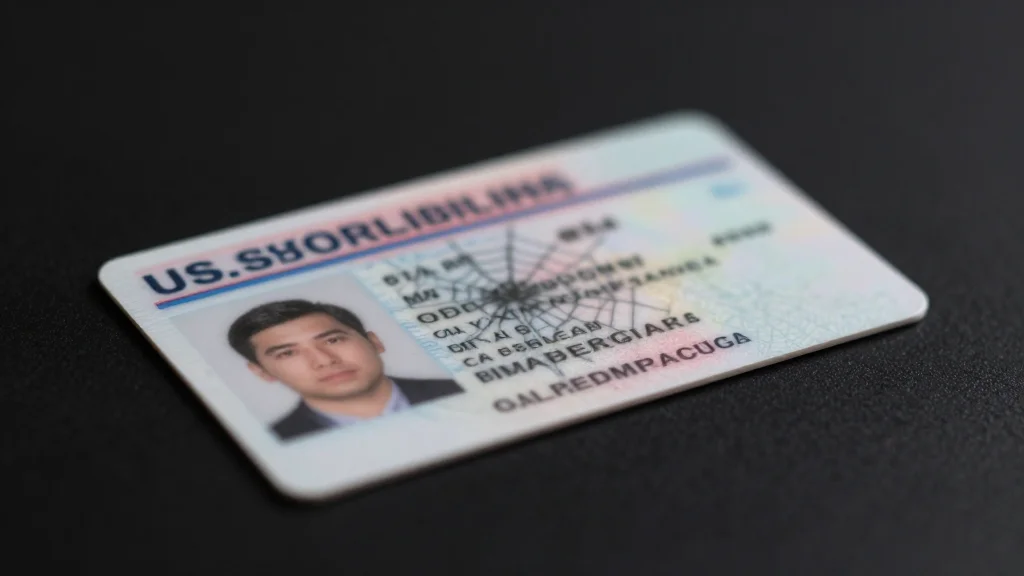
A dark‑web marketplace called Nexus is selling scans of more than 153 million U.S. and Canadian driver’s licenses, a breach traced to IDScan.net, a New Orleans‑based identity‑verification SaaS. The FBI’s New Orleans field office has opened an investigation, underscoring systemic risks in the KYC ecosystem used by Fortune‑500 brands.
Why It Matters
The breach demonstrates that the SaaS model for identity verification—valued for its scalability and ease of integration—can become a single point of failure when a provider is compromised. As more verticals (travel, gaming, cannabis, fintech) rely on real‑time KYC, a breach of this magnitude threatens not only consumer privacy but also the operational continuity of downstream businesses that depend on verified data.
Regulators are likely to tighten guidance around data minimization and breach notification for KYC SaaS platforms, while investors may reassess the risk profiles of companies that store unencrypted government IDs. The incident could catalyze a shift toward privacy‑preserving verification technologies, reshaping product roadmaps and competitive moats in the identity‑verification market.
Key Points
- Nexus dark‑web service offers >153 M U.S./Canadian driver’s license scans, plus 10 M other IDs.
- Breach traced to IDScan.net, a SaaS identity‑verification provider processing 21 M verifications monthly.
- FBI’s New Orleans field office opened a formal investigation into the source of the data.
- Service claims continuous exfiltration for over a year; 400 K new records added in 24 hours.
- High‑profile IDs (e.g., Pete Hegseth) found in the database, underscoring the breach’s breadth.
Analysis
The Nexus leak is a watershed moment for the identity‑verification SaaS sector, exposing the paradox of convenience versus security. Historically, KYC providers have built value on rapid API integration and high‑volume processing, often relegating deep security controls to downstream customers. This breach forces a reevaluation: product teams must now embed encryption, tokenization, and zero‑knowledge proofs as core features rather than optional add‑ons. Companies that can pivot to privacy‑first architectures will likely capture a new moat, differentiating themselves in a market where trust is rapidly becoming a competitive lever.
From an investor standpoint, the incident may recalibrate valuation multiples for identity‑verification SaaS firms. While the sector has enjoyed double‑digit growth rates, the risk of a single point‑of‑failure breach could compress revenue multiples and increase due‑diligence focus on security posture. Expect heightened scrutiny of SOC 2 Type II reports, penetration‑testing cadence, and incident‑response playbooks in upcoming funding rounds. In the longer view, the breach could accelerate consolidation, as larger players acquire niche providers with stronger security frameworks to shore up their own offerings.
Finally, the regulatory ripple effect cannot be ignored. The FTC and state attorneys general have signaled intent to enforce stricter data‑minimization rules for KYC data. Companies that continue to store full‑document images risk not only fines but also class‑action lawsuits from affected consumers. The industry’s next evolution may involve a shift toward decentralized identity standards (e.g., DID, Verifiable Credentials) that keep personal data under user control, reducing the attack surface that a centralized SaaS provider represents.