
ClarityCheck breach exposes over 9 million facial images, raising SaaS security alarms
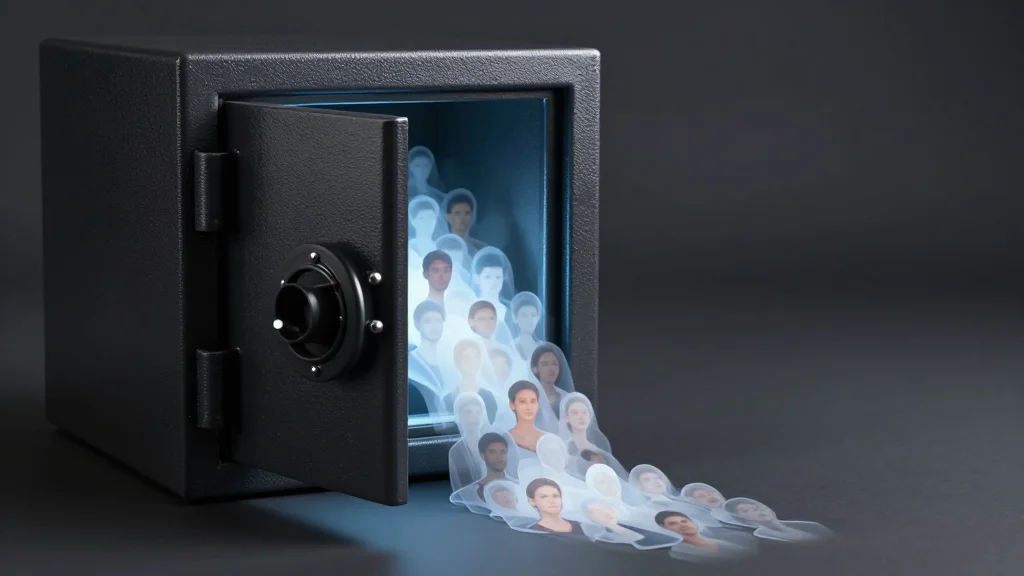
ClarityCheck, a SaaS identity‑verification platform, inadvertently left a 450 GB Amazon S3 bucket open, exposing 9,042,977 facial images. The breach underscores the vulnerability of cloud‑native SaaS providers to misconfiguration and the need for stricter data‑privacy controls.
Why It Matters
The breach underscores that even niche SaaS providers handling non‑financial data can become vectors for large‑scale privacy violations. For investors, the incident signals heightened risk in vertical SaaS models that process biometric information, potentially affecting valuation multiples and due‑diligence criteria. For operators, it reinforces the need to embed security into the product lifecycle, from architecture to GTM messaging, to preserve net‑revenue retention and avoid costly remediation.
Moreover, the episode may accelerate regulatory focus on AI‑native services that ingest facial data, prompting stricter compliance requirements and prompting SaaS firms to adopt zero‑trust architectures as a competitive moat.
Key Points
- ClarityCheck’s misconfigured S3 bucket exposed a 450 GB database of 9,042,977 facial images.
- Researcher Jeremiah Fowler discovered the leak and notified the company in July.
- Company responded by restricting access but disputes that the data was "publicly exposed."
- Mark Beare of Malwarebytes defined exposure as any data reachable without authentication.
- The breach highlights shared‑responsibility security gaps for SaaS platforms handling biometric data.
Analysis
The ClarityCheck incident is a textbook example of how a single cloud‑configuration error can snowball into a reputational crisis for a SaaS business. Historically, SaaS firms have leaned on the cloud’s convenience to accelerate product‑led growth, often treating security as a downstream checkbox. This breach forces a recalibration: security must be a front‑line differentiator, especially for services that monetize sensitive personal data.
From a market perspective, the fallout could tighten capital flows into vertical SaaS segments that process biometric identifiers. Investors will likely demand more granular security KPIs—such as frequency of penetration tests, encryption at rest, and incident‑response MTTR—before committing to later‑stage rounds. Meanwhile, competitors that can demonstrate airtight data‑privacy controls may capture market share by positioning themselves as the safer alternative for enterprise due‑diligence workflows.
Looking ahead, the incident may spur a wave of regulatory scrutiny. As lawmakers grapple with AI‑generated content and deep‑fake threats, platforms like ClarityCheck could face new compliance mandates around data minimization and consent. SaaS operators that proactively adopt zero‑trust architectures, automated configuration monitoring, and transparent breach‑notification policies will not only mitigate risk but also build a defensible moat in an increasingly privacy‑sensitive market.