
Takt raises $9.25M Series A to scale its warehouse labor management and intelligence platform
TAKTCompany
Takt raised $9.25 million in a Series A round on August 24, 2026 to scale its AI‑driven warehouse labor‑management and intelligence platform, which is already deployed in more than 100 warehouses, including 19 distribution centers operated by Kenco.
Takt announced a $9.25 million Series A financing on August 24, 2026, earmarked for scaling its AI‑powered warehouse labor‑management and intelligence platform. The round, led by undisclosed investors, brings the total capital raised to date to $9.25 million and positions the company to deepen its footprint across the U.S. logistics ecosystem.
Deal Terms
The Series A round provides Takt with the resources to accelerate product development, expand its go‑to‑market team, and broaden integrations with existing warehouse management systems. While the lead investor was not named, the press release confirmed that the capital will fund the rollout of AI agents that can rebalance labor in real time, a capability already piloted in over 100 warehouses and 19 Kenco distribution centers.
Market Context
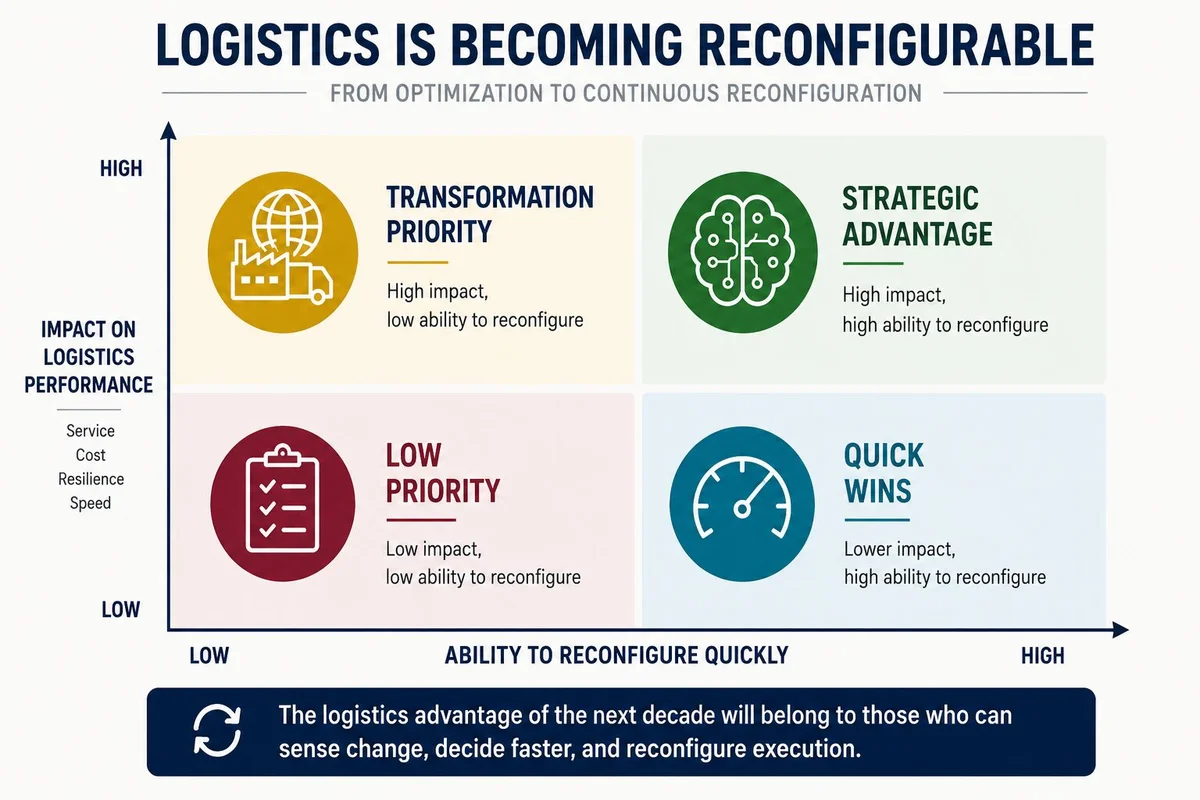
The funding arrives as the logistics industry shifts from static optimization toward “reconfigurability,” a concept highlighted in a recent Logistics Viewpoints analysis. Operators now need technology that can adapt to fluctuating order volumes, labor availability, and automation throughput within a single shift. Takt’s platform directly addresses this need by shortening decision‑to‑action latency, turning real‑time data into actionable labor‑rebalancing instructions.
Takt’s growth trajectory reflects broader investor confidence in AI‑enabled supply‑chain SaaS solutions that can deliver operational flexibility. By coupling labor‑management insights with an extensible AI engine, the company aims to become a core component of the next generation of adaptive warehouse networks.
Why It Matters
For Takt, the Series A capital unlocks the ability to scale its AI labor‑rebalancing agents beyond the current Kenco deployments, giving it a foothold in larger 3PL and retailer warehouses that are actively seeking real‑time flexibility. Competitors that rely on static labor‑planning tools will face pressure to integrate similar AI capabilities or risk losing market share to more agile solutions.
The infusion also signals to the broader warehouse‑automation market that investors view dynamic labor intelligence as a critical differentiator. Companies that can combine labor management with adaptive automation will likely command higher gross margins and stronger net‑revenue‑retention as customers prioritize speed of reconfiguration over pure cost efficiency.
Key Points
- Takt closed a $9.25 million Series A round on August 24, 2026.
- The platform is active in over 100 warehouses, including 19 Kenco distribution centers.
- Funding will be used to develop AI agents that rebalance labor in real time within supervisor‑defined limits.
- The raise underscores investor interest in AI‑driven reconfigurability for warehouse operations.
- Takt’s technology aims to reduce decision‑to‑action latency, a metric gaining prominence in logistics.
Analysis
The $9.25 million Series A positions Takt at the intersection of AI and warehouse labor SaaS, a niche that is rapidly gaining valuation premiums as operators chase reconfigurability. Assuming a modest ARR of $2 million based on typical early‑stage pricing, the round implies a valuation in the low‑single‑digit revenue‑multiple range, consistent with other AI‑enabled supply‑chain startups that have attracted similar capital. The capital will likely accelerate product‑market fit, enabling Takt to lock in longer‑term contracts that boost net‑revenue‑retention and improve gross margins through higher‑value AI services.
From an investor perspective, the deal highlights a broader shift: capital is moving toward SaaS solutions that can translate real‑time operational data into executable actions, rather than merely reporting historical performance. As logistics networks become more fluid, the ability to dynamically reallocate labor and automation will become a core competitive moat. Operators that adopt Takt’s platform can expect faster response times to demand spikes, labor shortages, and transportation disruptions, translating into higher service levels and lower overtime costs. For the SaaS market, the raise reinforces the trend of vertical‑focused AI platforms commanding premium multiples, especially when they address latency‑sensitive decision loops that directly impact cost of goods sold.
Overall, Takt’s financing underscores the growing appetite for AI‑driven, execution‑oriented logistics SaaS, and sets a benchmark for valuation expectations in the emerging reconfigurable‑warehouse segment.