
Ramp raises $750M at $44B valuation
RampCompany
Ramp announced a $750 million growth‑stage funding round on Aug. 27 2026 that values the fintech SaaS platform at $44 billion, earmarking the capital for AI‑native product development and expansion.
Ramp raised $750 million in a growth‑stage venture round on Aug. 27 2026, taking its post‑money valuation to $44 billion. The announcement listed Ramp as the sole participant; investor identities and round lead were not disclosed. The infusion is slated to accelerate the company’s AI‑native roadmap and broader growth initiatives.
Deal Terms
The round’s $750 million size and $44 billion valuation were disclosed in Ramp’s blog post, but the capital‑raising consortium remains unnamed. The company indicated the funds will support the rollout of AI‑driven features such as its token‑spend dashboard, which tracks AI model usage costs, and the Router product that selects the most cost‑effective model for each request. No specific financial metrics such as ARR or net revenue retention were provided.
Strategic Rationale
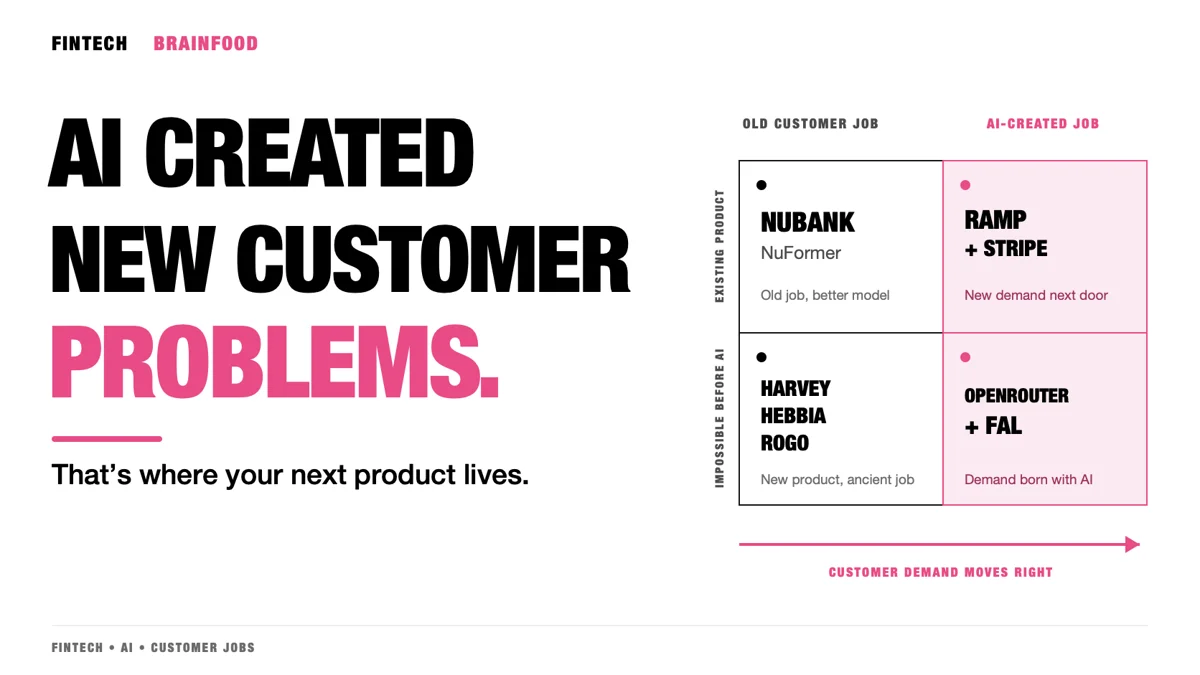
Ramp’s leadership frames the raise as a bet on AI‑created customer jobs. By embedding a token‑cost monitoring tool and a model‑routing engine directly into its spend‑management platform, Ramp moves from a pure spend‑management provider to an “AI beneficiary” that captures new demand adjacent to its core offering. The company cites a 20.7× growth in AI token spend between June 2025 and June 2026 as evidence of emerging market size. Competitors such as Stripe are pursuing similar AI‑layer acquisitions, underscoring a broader industry shift toward AI‑augmented financial services.
The capital also backs broader GTM expansion, including developer‑focused interfaces like a CLI for AI agents. By offering both human‑centric and agent‑centric experiences, Ramp aims to lock in a wider set of users and deepen stickiness. The move reflects a growing investor appetite for SaaS firms that can translate AI advances into durable revenue streams rather than merely adding AI as a feature.
Overall, the round positions Ramp to deepen its AI‑native product suite, expand its addressable market, and potentially command higher pricing power as AI‑related spend becomes a distinct line item for enterprise finance teams.
Why It Matters
Ramp’s infusion of $750 million gives it the runway to outpace rivals like Stripe in the emerging AI‑cost management niche. By integrating token‑spend dashboards and model‑routing directly into its spend platform, Ramp can offer a bundled solution that reduces operational friction for finance teams, potentially raising net revenue retention and opening new upsell opportunities. Competitors that remain focused on traditional spend management may face pressure to add comparable AI‑native features or risk losing share of the growing AI‑usage spend.
For investors, the round signals confidence that AI‑beneficiary SaaS models can command premium valuations. The lack of disclosed investors suggests a possible strategic consortium of growth‑stage backers who see Ramp’s AI‑adjacent revenue streams as a durable moat. The capital also enables Ramp to accelerate product rollouts that could widen its moat, making it a tougher acquisition target and a more compelling candidate for a future public listing.
Key Points
- Ramp raised $750 million in a growth‑stage round.
- The round values Ramp at $44 billion.
- Funds will be used to build AI‑native features such as a token‑spend dashboard and model‑routing engine.
- Ramp positions itself as an AI‑beneficiary, expanding beyond core spend management.
- Investor identities and round lead were not disclosed.
Analysis
At a $44 billion valuation, Ramp’s raise implies a multiple that far exceeds typical SaaS growth‑stage benchmarks, underscoring the premium investors are placing on AI‑adjacent revenue potential. The capital will likely fund AI‑native product layers that transform spend management into a platform for monitoring and optimizing AI model costs—a nascent but rapidly expanding spend category. This trend reflects a broader shift where SaaS operators are re‑architecting legacy finance workflows to capture AI‑created jobs, from token budgeting to automated model selection. For investors, Ramp’s round validates the appetite for “AI beneficiary” models that leverage existing customer bases to monetize new AI‑driven demand. Operators in the fintech SaaS space will need to accelerate AI integration or risk ceding high‑margin upsell opportunities to rivals that can bundle AI cost‑control tools with core financial workflows.