
Nine completes acquisition of QMS
Nine Inch NailsAcquirer
QMSTarget
Nine, Australia’s leading media company, completed its acquisition of digital‑signage SaaS firm QMS on August 26, 2026. Financial terms were not disclosed. The deal adds a high‑growth out‑of‑home advertising technology platform to Nine’s expanding media portfolio.
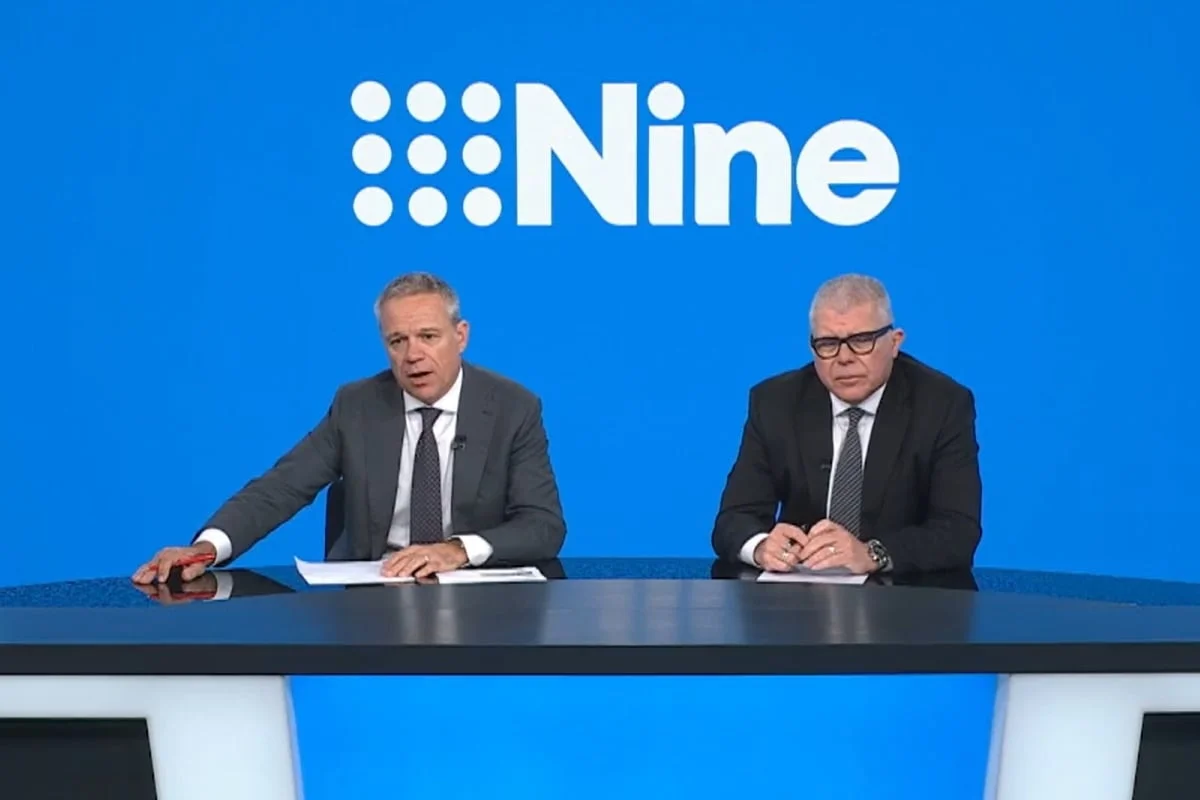
Nine announced the completion of its acquisition of QMS, a digital‑signage software provider, in its FY26 earnings release. The financial terms were not disclosed, but the transaction marks Nine’s latest move to broaden its out‑of‑home (OOH) advertising and technology capabilities.
Deal Terms
The acquisition was finalized on August 26, 2026. Nine is the acquirer and QMS the target; both operate in the SaaS space serving advertisers and municipalities with large‑format digital screens. QMS reported a 15 percent revenue increase and an 18 percent rise in EBITDA for the year, outpacing market growth in both Australia and New Zealand.
Business Context
In FY26 Nine posted continuing‑basis revenue of $2.189 billion and EBITDA of $378.8 million, reflecting modest overall growth but strong performance in its masthead and subscription businesses. QMS contributed to Nine’s OOH segment, where Australian revenue grew 10 percent—above the 6 percent market rate—and New Zealand revenue surged 48 percent, driven by a major Auckland Transport contract. The acquisition complements Nine’s recent divestitures, including the sale of youth‑focused Pedestrian and its radio arm, and aligns with its strategy to integrate digital advertising technology across its broadcast, streaming (Stan, 9Now) and publishing assets.
The deal expands Nine’s portfolio beyond traditional media into a SaaS‑driven, data‑rich advertising model, positioning the company to leverage programmatic sales, real‑time analytics, and future AI‑enhanced content delivery. While the purchase price remains undisclosed, the transaction underscores Nine’s commitment to diversify revenue streams amid a challenging TV ad market and to capitalize on the growing demand for digital OOH solutions.
Why It Matters
For Nine, the QMS acquisition strengthens its OOH advertising stack, giving it direct control over the software that powers digital billboards and street‑level screens. This vertical integration should improve margin potential and enable data‑driven sales across its broadcast and streaming platforms, giving Nine a competitive edge over other Australian media groups that rely on third‑party signage providers.
QMS’s competitors, such as Broadsign and Vistar Media, now face a larger, media‑owned player with access to Nine’s extensive audience data and advertising relationships. The move may accelerate consolidation in the Australian digital‑signage SaaS market as operators seek to match Nine’s combined media‑content and technology offering.
Key Points
- Nine completed the acquisition of digital‑signage SaaS provider QMS on August 26, 2026
- Financial terms of the deal were not disclosed
- QMS reported 15 percent revenue growth and 18 percent EBITDA growth in FY26
- QMS’s Australian revenue grew 10 percent, outpacing the 6 percent market; New Zealand revenue jumped 48 percent
- The acquisition expands Nine’s out‑of‑home advertising technology portfolio
Analysis
The QMS deal illustrates how traditional media owners are turning to SaaS platforms to capture higher-margin, data‑rich advertising revenue. While the purchase price remains private, comparable digital‑signage SaaS transactions in the region have fetched multiples of 5‑7 times forward‑year revenue, suggesting Nine likely paid a premium for a business growing at double‑digit rates. For investors, the acquisition signals confidence in the scalability of OOH SaaS models, especially as programmatic buying and AI‑driven content personalization become mainstream. Operators can expect synergies from integrating QMS’s inventory management and analytics with Nine’s existing audience data, potentially boosting net revenue retention and opening cross‑sell opportunities across broadcast, streaming and publishing assets. The move also highlights a broader trend: media companies are building end‑to‑end tech stacks to offset declines in conventional TV ad spend, positioning themselves for a future where digital out‑of‑home and programmatic ad tech drive a larger share of total advertising dollars.