
Ex‑Tesla team raises $12.5M to put supply chains on autopilot
AtomicCompany
Klass CapitalInvestor
Madrona Venture GroupInvestor
Boston‑based Atomic raised a $12.5 million Series A on Sept. 29, 2026, led by Klass Capital with participation from Madrona Venture Group, to expand its AI‑driven inventory‑optimization platform used by DoorDash, HelloFresh and other large operators.
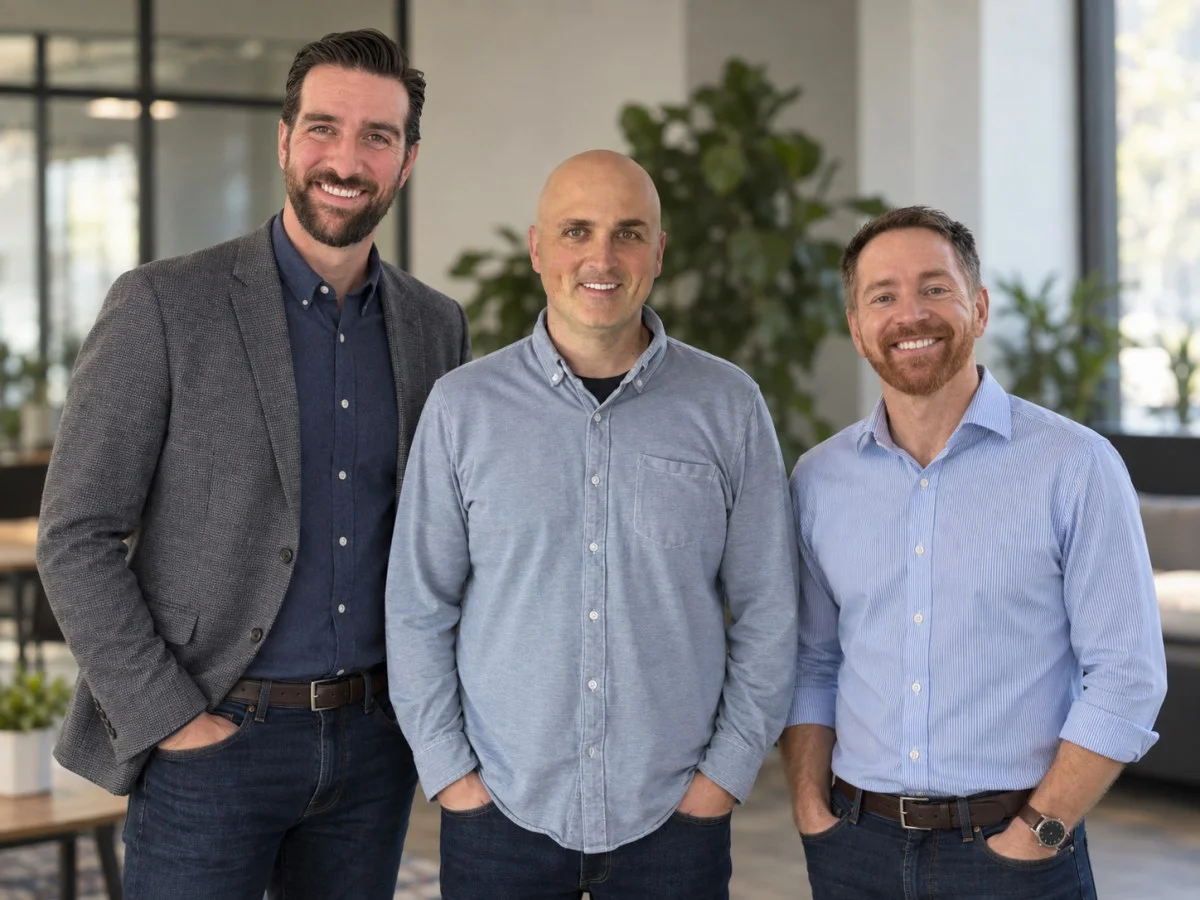
Atomic secured a $12.5 million Series A on Sept. 29, 2026, taking its total capital to just over $15 million. The round was led by growth‑equity firm Klass Capital and included Seattle‑based Madrona Venture Group. The funding backs a Boston‑based AI supply‑chain startup founded by former Tesla leaders Michael Rossiter and Neal Suidan, with former Tesla planning director Jeff Goodrich joining as CTO and third co‑founder.
Deal Terms
The Series A round adds $12.5 million of growth capital to Atomic’s balance sheet. Klass Capital acted as the lead investor, while Madrona contributed as a co‑investor. The company has not disclosed a post‑money valuation or revenue multiple. With the new capital, Atomic plans to accelerate product development, broaden its go‑to‑market effort, and deepen engineering resources to support its expanding roster of enterprise customers, which now includes DoorDash and HelloFresh.
Strategic Rationale
Atomic’s core technology simulates inventory scenarios and automatically selects optimal purchasing decisions, a capability that originated from a 2018 Tesla production‑ramp effort. The firm reports that its annual recurring revenue has quintupled since the start of the year, a growth trajectory driven by the shift from pilot projects to “DoorDash‑scale” deployments. Customers cite reductions in waste, spoilage, and decision latency as primary benefits. The company’s claim that its AI can adapt to any operating model positions it as a horizontal platform for CPG, mobility, and manufacturing verticals, expanding its addressable market beyond food‑delivery.
The Series A also marks the formal onboarding of Jeff Goodrich, whose Tesla planning experience is expected to accelerate the rollout of autonomous decision‑making features. By moving from recommendation‑only outputs to fully autonomous purchasing, Atomic aims to lock in higher expansion revenue and improve net revenue retention among its enterprise base.
Why It Matters
For Atomic, the infusion of $12.5 million validates its shift from a prototype to a scalable SaaS business and gives it the runway to deepen integrations with large‑scale operators. The addition of a seasoned Tesla planner to the executive team should shorten product‑iteration cycles, allowing the firm to outpace niche competitors that still rely on manual recommendation engines. DoorDash’s reported 90 % adoption of the platform across hundreds of sites creates a de‑facto reference customer, pressuring rival supply‑chain SaaS vendors to demonstrate comparable decision‑speed and automation depth. For incumbents such as Llamasoft or o9 Solutions, Atomic’s rapid onboarding model and AI‑first architecture raise the bar on implementation timelines, potentially accelerating churn among customers seeking faster ROI.
Key Points
- Atomic raised $12.5 million in a Series A led by Klass Capital with Madrona as co‑investor
- The round brings total funding to just over $15 million
- Founders are former Tesla leaders; Jeff Goodrich joins as CTO
- Customers include DoorDash and HelloFresh; DoorDash runs ~90 % of its purchasing on the platform
- Atomic’s ARR has quintupled since early 2026
Analysis
Atomic’s $12.5 million Series A arrives at a moment when AI‑enabled supply‑chain SaaS is attracting premium multiples, even though the company did not disclose a valuation. Assuming a typical early‑stage SaaS multiple of 12‑15 times forward ARR, the raise suggests investors see a multi‑hundred‑million dollar revenue runway. The rapid ARR expansion—five‑fold in less than a year—signals that the platform’s decision‑speed advantage is resonating with high‑volume operators that value inventory efficiency. For investors, the deal underscores a broader trend: capital is flowing to niche AI automation tools that can be deployed across verticals, from CPG to mobility, without extensive custom engineering. Operators watching Atomic’s progress should note the importance of integrating autonomous purchasing into existing ERP stacks, as the shift from recommendation‑only to fully autonomous execution can dramatically improve net revenue retention and expansion revenue. The presence of Klass Capital and Madrona signals confidence that the company can scale its sales motion beyond early adopters and capture a larger share of the $30 billion enterprise supply‑chain software market.